
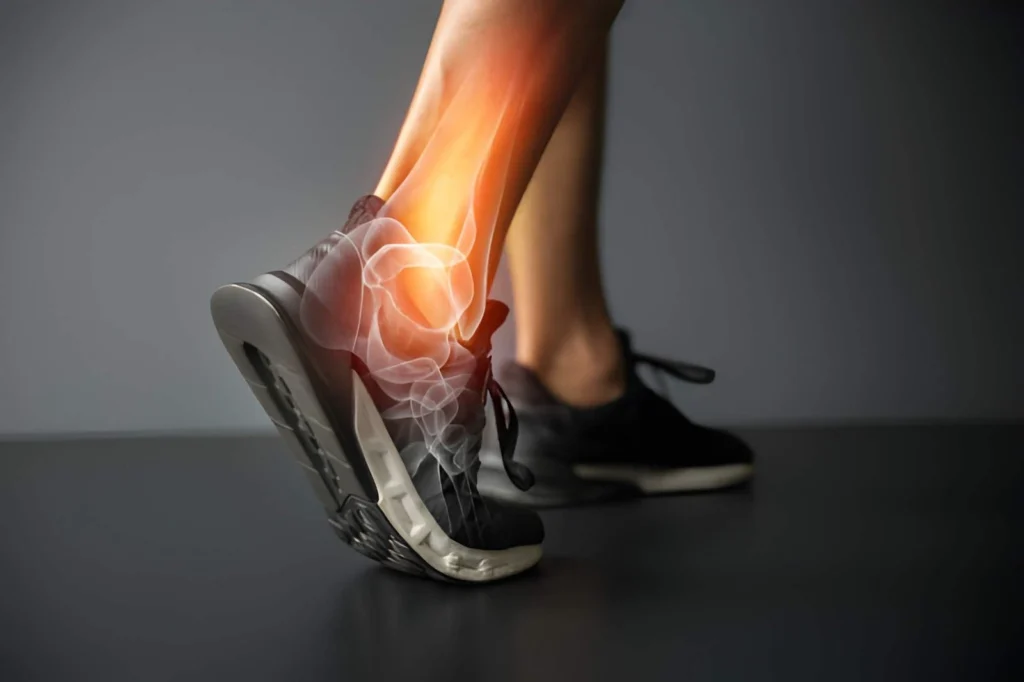
Back pain after a long day, stiff knees in the morning or a shoulder that hurts when you lift your arm can make everyday activities difficult. Sometimes these symptoms are linked to a musculoskeletal condition affecting your bones, muscles or joints.
Musculoskeletal problems can develop after an injury or gradually over time. While some improve with simple care, others need ongoing management.
This guide explains the common types of musculoskeletal conditions, their symptoms, possible causes, preventive care and when to speak with a GP.
Key Takeaways
- Musculoskeletal conditions affect bones, muscles, joints, tendons, ligaments and other supporting tissues.
- Common examples include back pain, osteoarthritis, rheumatoid arthritis and osteoporosis.
- Regular movement, strengthening exercises and healthy lifestyle habits can support joint, muscle and bone health.
- Persistent pain, swelling or reduced mobility may need GP assessment.
- Eligible patients with long-term conditions may benefit from a GP Chronic Condition Management Plan.
What Are Musculoskeletal Conditions?
Musculoskeletal conditions affect the bones, muscles, joints, tendons and ligaments. They can cause pain, stiffness, swelling, weakness or reduced movement.
Some conditions develop suddenly, such as muscle strains, while others, including osteoarthritis and osteoporosis, develop gradually.
According to the Australian Institute of Health and Welfare (AIHW), approximately 7.3 million Australians (29%) were living with a chronic musculoskeletal condition in 2022. These conditions can affect any age but become more common in older adults.
What Are the Main Types of Musculoskeletal Conditions?
Musculoskeletal conditions affect different parts of the body. Common types include:
Osteoarthritis
A joint condition commonly affecting the knees, hips, hands and spine. It can cause pain, stiffness and reduced movement.
Inflammatory Arthritis
Conditions such as rheumatoid arthritis and gout cause joint inflammation, pain and swelling. Early assessment can help guide appropriate treatment.
Osteoporosis
Osteoporosis weakens bones and increases fracture risk. It often causes no noticeable symptoms until a fracture occurs.
Back Pain and Soft-Tissue Conditions
These include back pain, muscle strains, tendon problems and ligament injuries. They may result from injury, repetitive movements or physical strain.
What Are the Common Symptoms and Risk Factors?
Musculoskeletal conditions can cause different symptoms depending on the affected area.
Common signs include:
- Joint or muscle pain and stiffness
- Swelling, warmth or tenderness
- Muscle weakness or reduced mobility
- Difficulty walking, lifting or completing daily activities
- Recurring pain during physical activity
Risk factors include ageing, family history, previous injuries, physical inactivity, excess body weight and physically demanding work. Smoking and poor nutrition may also affect bone health.
How Can You Protect Your Musculoskeletal Health?
Healthy habits can help maintain muscle strength, joint function and bone health. They may also reduce the risk or impact of some musculoskeletal problems.
Practical steps include:
1. Stay physically active
Regular walking, swimming, cycling and other suitable activities can help maintain movement and general fitness. Choose activities that match your health and physical abilities.
2. Include strength exercises
Resistance training helps maintain muscle strength and supports joint function. Weight-bearing and resistance exercises also contribute to bone health.
3. Support your bone health
Eat a balanced diet containing adequate calcium, protein and vitamin D. Supplements are not necessary for everyone and should be considered according to individual needs.
4. Maintain a healthy weight where appropriate
Weight management may reduce symptoms and improve function for some people with knee or hip osteoarthritis.
5. Reduce prolonged inactivity
Change positions regularly and take movement breaks during long periods of sitting. Gradually increase activity when returning to exercise.
6. Reduce injury risks
Use suitable equipment, adjust physically demanding tasks and avoid sudden increases in exercise intensity. Workplace hazards should be addressed through appropriate safety measures.
For people concerned about age-related health risks, bone health or long-term conditions, Huntlee Healthcare also offers health assessments for eligible patients, based on individual clinical needs.
Musculoskeletal Problems and Workplace Injuries
Repetitive movements, heavy lifting and physically demanding work can contribute to muscle, joint and back problems. Safer work practices and suitable equipment can help reduce injury risks.
If you experience a work-related injury, Huntlee Healthcare offers WorkCover injury assessments to assess symptoms, discuss treatment and support return-to-work planning.
When Should You See a GP About Musculoskeletal Pain?
Not every ache requires a medical appointment. However, ongoing or changing symptoms should not automatically be dismissed as part of ageing or physical activity.
Consider a GP review if you experience:
- Pain that persists, worsens or repeatedly returns
- Joint stiffness or swelling that affects everyday activities
- Pain that regularly disrupts sleep
- Reduced mobility or difficulty completing normal tasks
- Recurrent muscle or joint problems after activity
- Persistent numbness, tingling or weakness
- Concerns about bone health or a previous low-impact fracture
A suddenly hot, swollen and painful joint, particularly with fever or feeling unwell, needs urgent medical assessment because infection is one possible cause.
Seek emergency medical care for severe back pain accompanied by new loss of bladder or bowel control, numbness around the groin or significant new leg weakness. Call Triple Zero (000) for these symptoms or after a serious injury with severe pain or loss of movement.
How Can a GP Help With Musculoskeletal Conditions?
A GP can assess musculoskeletal symptoms and discuss management based on the likely cause, medical history and individual needs.
During an appointment, your GP may:
- Ask when symptoms began and how they affect daily activities
- Examine the affected muscles, joints or areas of the spine
- Review previous injuries, medicines and relevant health conditions
- Consider blood tests, imaging or bone-density testing when clinically indicated
- Discuss appropriate activity, pain management and follow-up
- Arrange referral to a physiotherapist, exercise physiologist, rheumatologist or another professional where needed
Not every person with musculoskeletal pain needs an X-ray or MRI. Investigations depend on symptoms and examination findings.
For people in Huntlee, North Rothbury and surrounding communities, a general medicine consultation at Huntlee Healthcare can help assess persistent joint, muscle or back problems and discuss appropriate next steps.
Can a GP Chronic Condition Management Plan Help?
For musculoskeletal conditions lasting, or expected to last, at least six months, your GP may consider a GP Chronic Condition Management Plan (GPCCMP) to coordinate ongoing care.
Eligible patients may receive Medicare rebates for up to five individual allied health services in total per calendar year, including physiotherapy. Eligibility depends on GP assessment, and gap fees may apply.
Learn more about the benefits of a GP Chronic Condition Management Plan.
FAQs
Are Musculoskeletal Conditions the Same as Arthritis?
No. Arthritis is one group of musculoskeletal conditions. The broader category also includes back problems, osteoporosis, muscle strains and tendon injuries.
Can Musculoskeletal Conditions Be Prevented?
Some risks can be reduced through regular exercise, suitable nutrition, injury prevention and other healthy habits. However, age, genetics and certain medical conditions can also influence risk.
Is Exercise Safe if I Have Joint Pain?
Appropriate exercise can help manage many conditions, including osteoarthritis. The type and intensity should suit your symptoms and abilities. Seek professional advice if exercise causes significant or worsening pain.
Does Medicare Cover Physiotherapy for Musculoskeletal Conditions?
Eligible patients with a GP Chronic Condition Management Plan may receive Medicare rebates for physiotherapy or other approved allied health services. Referral requirements, annual limits and possible gap fees apply.
Looking After Your Muscle, Joint and Bone Health
Musculoskeletal conditions can affect comfort, mobility and everyday independence. Understanding your symptoms, staying appropriately active and seeking medical advice when needed can help you make informed decisions about your health.
For people in Huntlee, North Rothbury and nearby communities experiencing ongoing back, joint or muscle concerns, Huntlee Healthcare provides general practice consultations and ongoing health assessments according to individual clinical needs.
If symptoms are affecting your daily activities or you would like to discuss longer-term care, you can contact Huntlee Healthcare to arrange a GP appointment.
References & Resources
The following Australian resources provide further information about musculoskeletal conditions, prevention, assessment and Medicare care arrangements.
- Australian Institute of Health and Welfare — Chronic Musculoskeletal Conditions in Australia
Australian prevalence data, common musculoskeletal conditions and their health impacts. - Healthdirect Australia — Back Pain
Common causes, assessment, treatment and symptoms requiring medical care. - RACGP — Osteoporosis: Preventive Activities in General Practice
Clinical guidance on bone health, physical activity and fracture-risk assessment. - Services Australia — Services Available Under a GP Chronic Condition Management Plan
Medicare eligibility, referrals and allied health service arrangements. - SafeWork NSW — Prevent Musculoskeletal Disorders at Work
Workplace risk factors and strategies for preventing musculoskeletal injuries.