
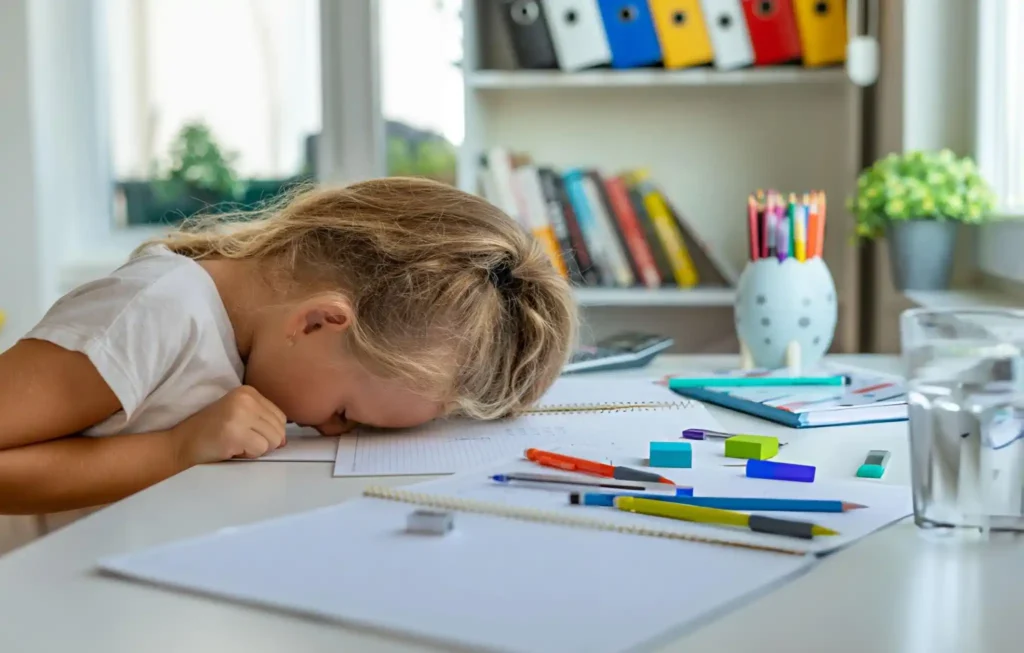
When a young child starts struggling to sit still, has trouble listening, or becomes emotionally unpredictable, many parents wonder whether ADHD could be the reason. That concern is understandable. But changes in behaviour in young children can have more than one explanation. Family stress is one factor that deserves careful consideration alongside any formal assessment.
Key Takeaways
- Family stress can sometimes contribute to behaviours in young children that resemble ADHD symptoms.
- ADHD is a real neurodevelopmental condition and should not be dismissed
- Stress does not cause ADHD, but the overlap between symptoms can be confusing
- A trained clinician can help assess the factors that may be contributing to a child’s behaviour
- A GP can assess the broader picture and refer for specialist assessment if needed
- Parents do not need to have the answers before seeking help
Can Family Stress Look Like ADHD in Young Children?
Yes. Children experiencing stress at home may develop difficulty concentrating, restlessness, emotional outbursts, and sleep disruption. These responses can look similar to common ADHD behaviours.
However, as noted by the Better Health Channel, not all children showing inattention, impulsivity, or overactivity have ADHD. Assessment involves looking at multiple pieces of information before reaching any conclusion. Stress does not cause ADHD, but the behavioural overlap can make it genuinely difficult for parents and educators to tell the difference without professional guidance.
First, ADHD Is Real and Should Not Be Dismissed
ADHD is a neurodevelopmental condition that affects attention, activity levels, and impulse control. It is not caused by poor parenting, too much screen time, or a lack of discipline. According to Raising Children Network, children with ADHD may need support with learning, emotions, friendships, and daily tasks.
Recognising that stress can mimic ADHD does not mean ADHD should be downplayed. Both possibilities deserve proper assessment from a qualified clinician.
Why Stress Can Affect a Child’s Behaviour
Young children often lack the language to express distress. Instead, their emotions show through behaviour. Healthdirect explains that family relationships, life events, school changes, sleep disruption, and illness can all affect a child’s mental health and behaviour.
Situations that may affect a child’s behaviour include:
- Parental separation or ongoing conflict at home
- A recent move or change in living arrangements
- Financial or housing pressure within the family
- Illness, loss, or grief affecting the household
- Changes in routine or caregiving arrangements
- Starting a new school or childcare setting
- Disrupted sleep from an unsettled home environment
Children reacting to these circumstances may become clingy, withdrawn, unsettled, or more emotional than usual. This does not mean something is permanently wrong. It means the child is responding to their environment in the only way they know how.
ADHD Symptoms and Stress Responses That Can Overlap
| Behaviour | Can be seen in ADHD | Can also happen with stress |
| Trouble focusing | Yes | Yes |
| Restlessness | Yes | Yes |
| Emotional outbursts | Yes | Yes |
| Sleep disruption | Common alongside ADHD | Common with stress |
| Impulsive reactions | Yes | Yes |
Better Health Channel notes that a proper assessment looks beyond surface behaviour. Only a qualified clinician can determine what is driving a child’s difficulties. Overlap does not confirm either cause on its own.
Signs That Behaviour May Be Linked to Stress
- Behaviour started after a major family change
- Symptoms appear worse after conflict or poor sleep
- The child becomes clingy, withdrawn, or more emotional than usual
- Behaviour changes noticeably across different settings
- The child complains of stomach aches or headaches
- Sleep or appetite changes appear at the same time
What May Point More Toward ADHD
- Symptoms have been present for a long period, not just after one event
- Concerns appear at both home and school
- Behaviour affects learning or friendships consistently
- The child has ongoing trouble with attention, activity level, or impulse control
- Teachers and carers notice similar patterns independently
What Parents Can Track Before Seeing a GP
Arriving prepared helps your GP build a clearer picture. Before your visit, it may help to note:
- When the behaviours tend to happen and how often
- Whether they occur at home, school, or both
- What your child’s sleep routine looks like
- Any recent family changes or stressful events
- How much screen time your child has each day
- Feedback from teachers or childcare staff
- What situations seem to trigger or calm the behaviour
If concerns are continuing, a children’s health GP appointment at Huntlee Healthcare can help review your child’s behaviour, sleep, development, and overall wellbeing.
What a GP Can and Cannot Do in the First Appointment
A GP is often the first professional parents turn to when concerned about a child’s behaviour.
A GP can:
- Listen to parent concerns and review behaviour history
- Check for contributing factors such as hearing, vision, sleep, or anxiety
- Consider whether family stress or mental health factors may be involved
- Request school or childcare input
- Refer to a paediatrician, psychologist, or allied health professional if needed
A GP cannot:
- Confirm ADHD from one short appointment or one symptom
- Ignore stress, sleep, or other possible causes
- Diagnose without a proper multi-source assessment
For families in Huntlee and nearby areas, speaking with a GP can be a practical first step when ADHD-like behaviours, stress, or school concerns are becoming harder to understand.
How Parents Can Support Their Child While Waiting for Assessment
- Keep daily routines predictable where possible
- Use simple, clear instructions
- Reduce shouting where possible, even when behaviour is difficult
- Prioritise consistent sleep and wind-down routines
- Speak with teachers or childcare providers about what they are seeing
- Praise small positive behaviours rather than focusing only on problems
- Seek support early if you feel overwhelmed as a parent
When to Seek Help
Consider speaking with a GP if:
- Behaviour is affecting school, friendships, or family routines
- Emotional outbursts are frequent or intense
- Sleep problems continue for several weeks
- Concerns have lasted several months without improvement
- Teachers or carers have raised similar concerns
- Family stress is clearly affecting the child’s wellbeing
- You feel unsure what to do next
Conclusion
ADHD is a real condition that benefits from proper identification and support. Family stress can also create behaviours that look remarkably similar. The full picture matters, and a thorough assessment considers all contributing factors rather than just the most visible symptoms.
Noticing changes in your child’s behaviour is not a sign of failure. It is a sign you are paying attention. If you are unsure whether your child’s behaviour relates to ADHD, stress, sleep, or another concern, a GP review at Huntlee Healthcare can help guide the next step.
FAQs
Can stress cause ADHD in children?
No. ADHD is a neurodevelopmental condition, not caused by stress. However, stress and family changes can affect behaviour, attention, and emotional regulation, attention, and emotional regulation in ways that resemble ADHD. Clinical assessment considers both possibilities.
Can family problems make a child seem hyperactive?
Some children respond to stress with restlessness, emotional outbursts, difficulty concentrating, or disrupted sleep. These responses can look similar to hyperactivity, which is why professional assessment matters before concluding.
How do I know if it is ADHD or stress?
You usually cannot tell from one behaviour alone. Patterns over time, school feedback, sleep, family changes, development, and clinical assessment all matter. A GP can guide this process and refer to a specialist if needed.
Should I speak to a GP if my child’s teacher mentions ADHD?
Yes. Teacher observations are valuable but represent one part of the picture. A GP can review the broader context and determine whether further assessment or referral is appropriate.
Can a GP diagnose ADHD in young children?
GP roles vary by training and clinical scope. A GP can assess concerns, explore contributing factors, support families, and refer to a paediatrician or psychologist for formal diagnostic assessment when appropriate.
References and Resources
Raising Children Network — ADHD in children: signs, diagnosis, and support. raisingchildren.net.au. Better Health Channel — Attention deficit hyperactivity disorder (ADHD). betterhealth.vic.gov.au. Healthdirect — Child mental health. healthdirect.gov.au