
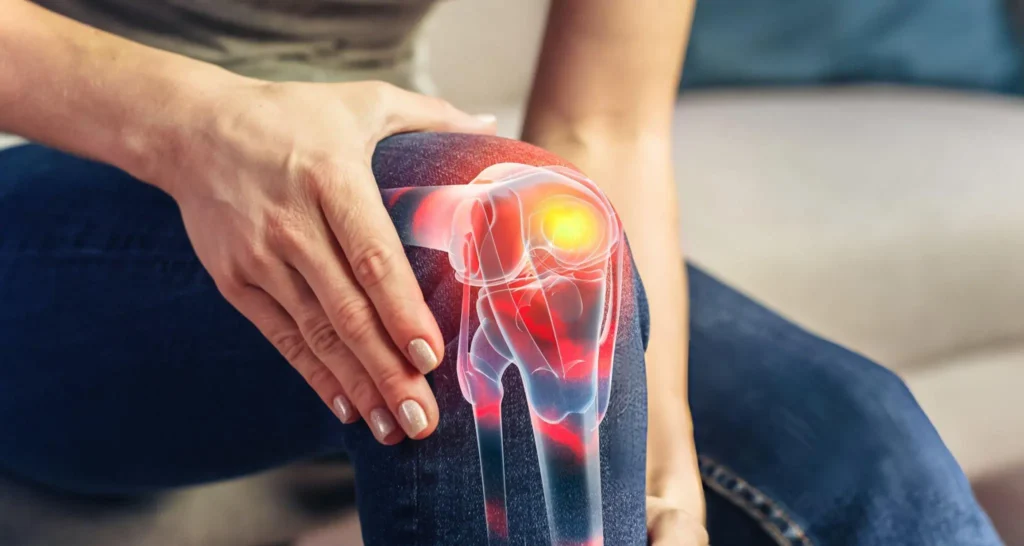
Bone health refers to the strength and structure of your bones and your ability to maintain movement, stability and independence as you age. Bones naturally change throughout life, but healthy habits, regular movement and appropriate health checks can help support bone strength over time.
Key Takeaways
- Bone strength changes naturally with age
- Regular exercise supports both bones and muscles
- Nutrition plays an important role alongside activity
- Some people may benefit from additional assessment based on risk factors
- Your GP can help review your personal bone health risk factors
Why Does Bone Strength Change as You Age?
Bones are living tissues that continuously break down and rebuild throughout life. In younger adulthood, this process is generally balanced. From around mid-life, bone breakdown can gradually outpace bone rebuilding in some people, which may reduce bone density over time.
Muscle strength also tends to decrease gradually with age, which can affect balance and increase the chance of falls. Falls, rather than bone density alone, often lead to fractures, which is why both bone and muscle strength matter for healthy ageing.
What Habits Help Keep Your Bones Strong?
Several everyday habits can support bone health over time. None of them guarantee prevention, but together they contribute meaningfully to long-term bone strength.
Stay Physically Active
Weight-bearing activity can help support bone strength by placing healthy stress on bones. Useful options include:
- Regular walking
- Dancing or other weight-bearing recreational activity
- Stair climbing where appropriate
- Strength training with light weights or resistance bands
Eat a Balanced Diet
Nutrition supports bone health alongside physical activity. Helpful dietary sources include:
- Calcium-rich foods such as dairy or fortified alternatives
- Vitamin D levels may be supported through appropriate sun exposure, diet and supplements where recommended.
- Adequate protein intake to support muscle and bone tissue
Support Muscle Strength and Balance
Strong muscles reduce fall risk, which in turn protects bones. This may include:
- Resistance exercises two to three times a week where suitable
- Balance-focused activities such as tai chi
- Reviewing home environments for fall hazards
What Foods Support Bone Health?
A balanced diet that includes a variety of nutrient-rich foods supports bone health as part of an overall healthy lifestyle.
Helpful food sources include:
- Dairy foods such as milk, cheese and yoghurt
- Calcium-fortified plant-based alternatives
- Leafy green vegetables
- Protein-rich foods including lean meat, fish, eggs and legumes
- Nuts and seeds
Supplements are not automatically necessary for everyone. Whether additional calcium or vitamin D supplementation is appropriate depends on individual diet, sun exposure and health history, and is worth discussing with your GP.
Who May Need Extra Attention for Bone Health?
Some people have factors that may increase the chance of reduced bone density over time. These include:
- Increasing age, particularly beyond the mid-60s
- A previous fracture, especially from a minor fall or bump
- A family history of osteoporosis
- Menopause, due to hormonal changes affecting bone density
- Long-term use of corticosteroid medicines
- Smoking
- Low body weight
- Low levels of physical activity over an extended period
Having one or more of these factors does not mean bone problems are inevitable. It simply means a conversation with your GP about individual risk may be worthwhile.
For women navigating menopause and its effect on bone density, Huntlee Healthcare’s women’s health services can help discuss hormonal changes alongside broader health considerations.
When Should You Talk to Your GP About Bone Health?
A GP conversation about bone health can be useful at different stages, not only after a problem has developed.
Consider raising bone health with your GP if:
- You have had a previous fracture, particularly from a minor fall
- You have a family history of osteoporosis
- You have concerns about your risk factors
- You are approaching or have been through menopause
- You take long-term corticosteroid medicines
- You have questions about whether bone density testing may be appropriate
- You would like a general review of your bone health as part of healthy ageing
Have questions about your bone health? A preventive health assessment at Huntlee Healthcare can help review your risk factors and discuss whether further assessment may be suitable.
What Happens During a Bone Health Assessment?
A bone health discussion with your GP is a straightforward and practical process. Your GP may review:
- Your medical history and any previous fractures
- Family history of osteoporosis or bone conditions
- Lifestyle factors including activity levels, diet and smoking
- Current medicines, particularly long-term corticosteroids
- Overall fracture risk based on your individual circumstances
- Whether further investigation, such as a bone density scan, may be appropriate
Your GP can assess whether further investigation may be appropriate based on your individual risk profile, rather than applying the same approach to everyone.
Can a Bone Density Scan Check Bone Strength?
A bone density scan, often called a DEXA scan, measures bone mineral density and can help assess bone strength in a more detailed way than a general discussion alone.
Whether a bone density scan is recommended usually depends on individual risk factors such as age, previous fractures, family history and other health considerations, rather than being routinely offered to everyone. Your GP can discuss whether this kind of assessment may be appropriate for your situation.
How Can You Protect Bone Health Long Term?
Supporting bone health is an ongoing process rather than a single action. Practical long-term habits include:
- Staying physically active with a mix of weight-bearing and strength activities
- Avoiding smoking, which can negatively affect bone density
- Keeping alcohol intake moderate
- Maintaining a healthy, stable body weight where appropriate
- Attending regular health checks, particularly as risk factors change with age
Conclusion
Bone health is closely connected to staying active, independent and mobile as you age. Bone strength naturally changes over time, but healthy habits, sensible nutrition and appropriate health reviews can help support it along the way.
Strong bones support everyday activities, from staying active with family to maintaining independence as you get older. If you have questions about your bone health or risk factors, booking a GP appointment at Huntlee Healthcare is a practical way to discuss your bone health and healthy ageing goals.
FAQs
How can I keep my bones strong as I age?
Keeping bones strong involves regular weight-bearing exercise, strength training, adequate nutrition, and addressing personal risk factors with your GP.
What foods are good for bone health?
Calcium-rich foods such as dairy, leafy greens, protein sources and vitamin D from sensible sun exposure all support bone health as part of a balanced diet.
When should I get a bone density scan?
A bone density review may be useful if you have risk factors such as previous fractures, a family history of osteoporosis, long-term corticosteroid use, or changes associated with menopause or ageing.
Does exercise improve bone strength?
Weight-bearing and resistance exercise can help support bone strength and reduce fall risk by improving muscle strength and balance.
Can my GP help assess my osteoporosis risk?
Yes. A GP can review your medical history, family history, lifestyle factors and medicines to help assess whether further bone health investigation may be appropriate.
Sources and further reading
Healthy Bones Australia
Australian Government Department of Health — Physical Activity Guidelines
Better Health Channel — Osteoporosis
Healthdirect Australia — Osteoporosis