
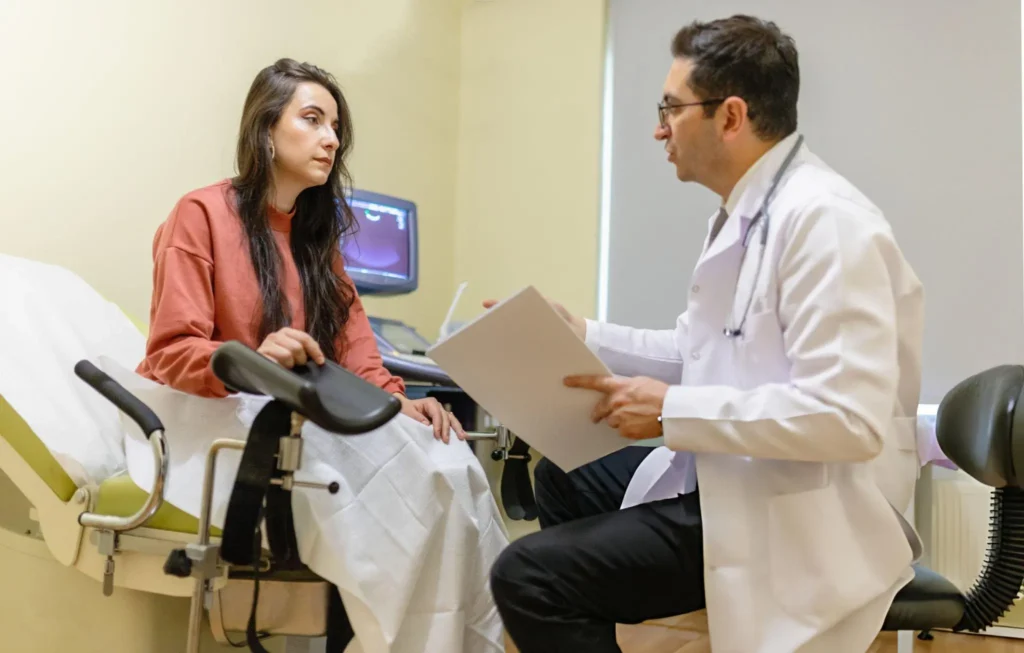
The Cervical Screening Test replaced the Pap smear in Australia, but the two tests are not the same. The old Pap smear looked for abnormal cervical cells, while the current test primarily looks for HPV, the virus that can lead to cervical cell changes over time. Many women still use both terms, but understanding the difference can help you feel more confident before booking your next screening.
Key Takeaways
- The Cervical Screening Test replaced the Pap smear in Australia in 2017
- It tests primarily for HPV rather than looking first for abnormal cells
- Eligible people are generally screened every five years
- Most people eligible for routine screening can choose between self-collection and clinician collection.
- Self-collection is still arranged through a healthcare provider, not a home mail-out kit.
If you are unsure when your last screening was or want to discuss your options, Huntlee Healthcare’s women’s health GP services can help you work out the most appropriate next step.
Is a Cervical Screening Test the Same as a Pap Smear?
No, the two tests are not the same, although the appointment can feel similar when a clinician collects the sample.
| Pap smear | Cervical Screening Test |
| Looked mainly for abnormal cervical cells | Looks primarily for HPV |
| Usually completed every two years | Usually completed every five years |
| Required a cervical sample by a clinician | Can use a clinician or self-collection |
| Replaced in Australia in 2017 | Current national screening test |
The next step depends on how the sample was collected and which HPV type is found. A clinician-collected cervical sample may also be checked for cell changes. A self-collected vaginal sample can only be tested for HPV, so further clinician collection or specialist assessment may sometimes be needed.
Who Should Have a Cervical Screening Test and How Often?
Routine cervical screening is generally recommended for people who:
- Have a cervix
- Are aged 25 to 74 years
- Haveyou ever had sexual contact
Screening is usually recommended every five years for eligible people with a routine result. It is still recommended after HPV vaccination, after menopause, and in some cases after a hysterectomy, depending on the type. People who have had a hysterectomy should ask their GP whether screening remains appropriate for them.
If you are unsure whether you are due, a GP can check your screening history and discuss timing based on your individual circumstances.
How Is a Cervical Screening Test Done?
There are two collection options. Both can be discussed with your GP or healthcare provider before the appointment.
Clinician-collected test
- You will be asked for informed consent before the test begins
- You undress from the waist down, and a sheet is provided for privacy
- A speculum is gently inserted to allow access to the cervix
- A small brush collects a sample from the cervix
- The sample is sent to a pathology laboratory for testing
Self-collected test
- You use a thin swab to collect a sample from inside the vagina
- The sample does not need to reach the cervix
- A speculum is generally not needed
- The swab is returned for pathology testing
- Your healthcare provider organises the results and any follow-up
Both options test for HPV. Your GP can explain which option may suit you based on your health history, previous results, and personal preference.
Can You Complete a Cervical Screening Test Yourself?
Yes, self-collection is available to most eligible people who are due for routine screening. It involves taking a vaginal swab yourself, without a speculum.
It is important to understand that self-collection is not a mail-out home kit. The test is usually completed at the clinic after a consultation. In some circumstances, a healthcare provider may agree that the sample can be taken at home, but this is arranged individually and requires the provider to organise how the sample reaches the pathology laboratory.
For step-by-step information, the Australian Government’s National Cervical Screening Program self-collection guidance explains the process clearly.
If you would like to know whether self-collection is available at the clinic and how the appointment is arranged, contact Huntlee Healthcare before booking.
What Should You Expect During the Appointment?
Many people feel nervous before cervical screening, and that is completely understandable. Knowing what to expect can help.
You can ask your GP or healthcare provider about:
- Choosing self-collection or clinician collection
- Requesting a female healthcare provider
- Having each step explained before it happens
- Taking a short break or pausing during the test if needed
- Discussing any previous discomfort, anxiety, or past experiences
- Whether screening can proceed if you are menstruating
You can book an appointment to discuss your concerns and collection options, even if you are not ready to complete the test that day. Speaking with your GP first is always a reasonable starting point.
Does a Cervical Screening Test Hurt?
The test should not usually be painful, but some people notice pressure or brief discomfort during the clinician-collected option. If you feel pain at any point, tell your clinician immediately so they can adjust or pause.
Self-collection may feel more comfortable for some people because it generally does not require a speculum. Your GP can help you decide which option may suit you better.
How Much Does a Cervical Screening Test Cost?
Costs can vary depending on the type of appointment and your individual circumstances.
- Eligible routine pathology testing has a Medicare rebate
- Many pathology laboratories bulk bill the sample processing
- A consultation fee or gap fee may still apply depending on the provider and appointment type
- People without a Medicare card may face different costs
To understand how cervical screening appointments are currently billed at Huntlee Healthcare, check the current consultation fee information or contact the clinic before booking.
What Happens After the Test?
Results are usually returned within a few weeks. Your GP or healthcare provider will explain what the result means and what happens next.
Common result pathways include:
- HPV not detected: routine screening is generally due again in five years
- Repeat test required: another sample may be needed if the result was unsatisfactory or intermediate
- Further assessment: certain HPV findings or cell changes may lead to follow-up testing or specialist referral
Finding HPV does not mean that a person has cervical cancer. HPV is very common, and most people who have it do not develop cervical cancer. Your GP can explain your result in full and discuss any next steps.
Where clinically appropriate, Huntlee Healthcare may facilitate access to pathology collection as part of general practice care. Samples collected at the clinic are processed by external accredited pathology laboratories.
When Is Routine Cervical Screening Not Enough?
Routine cervical screening is designed for people without symptoms. If you experience any of the following, a GP assessment is more appropriate than waiting for a routine screening appointment:
- Unexpected bleeding between periods
- Bleeding after sex
- Bleeding after menopause
- Unusual vaginal discharge
- Pelvic pain or pain during sex
These symptoms can have several possible causes and should be assessed clinically. A routine self-collected sample is not designed to replace a clinical examination when symptoms are present.
Conclusion
The Cervical Screening Test replaced the Pap smear in Australia and works differently, but the purpose remains preventive: to identify HPV-related risk early so that appropriate monitoring or follow-up can be arranged. Eligible people have a choice between clinician collection and self-collection, and a GP can help you understand which option suits your situation.
If you are due for cervical screening or want to discuss which collection option may suit you, book a women’s health appointment at Huntlee Healthcare to speak with an independent GP about your screening needs.
FAQs
Is a Cervical Screening Test the same as a Pap smear?
No. The Cervical Screening Test replaced the Pap smear in 2017 but tests for something different. It looks primarily for HPV rather than abnormal cervical cells directly.
How often do I need a Cervical Screening Test?
Routine screening is generally recommended every five years for eligible people with a normal result. Previous results or clinical history may affect timing.
Can I complete a cervical screening test at home?
Self-collection is not a universal mail-out home test. It is usually completed at a clinic after a consultation, though in some circumstances a healthcare provider may arrange home collection.
Do I still need cervical screening after the HPV vaccine?
Yes. Vaccination does not protect against every HPV type linked to cervical changes, so routine screening is still recommended for eligible vaccinated people.
Can I choose self-collection instead of a speculum examination?
Self-collection is available to most people who are eligible and due for routine screening. Symptoms or clinical history may mean a clinician’s collection or further examination is more appropriate.
Sources and further reading
Australian Government Department of Health – About the National Cervical Screening Program
Healthdirect Australia – Cervical Screening Test
Cancer Council Australia – Cervical Cancer Screening