
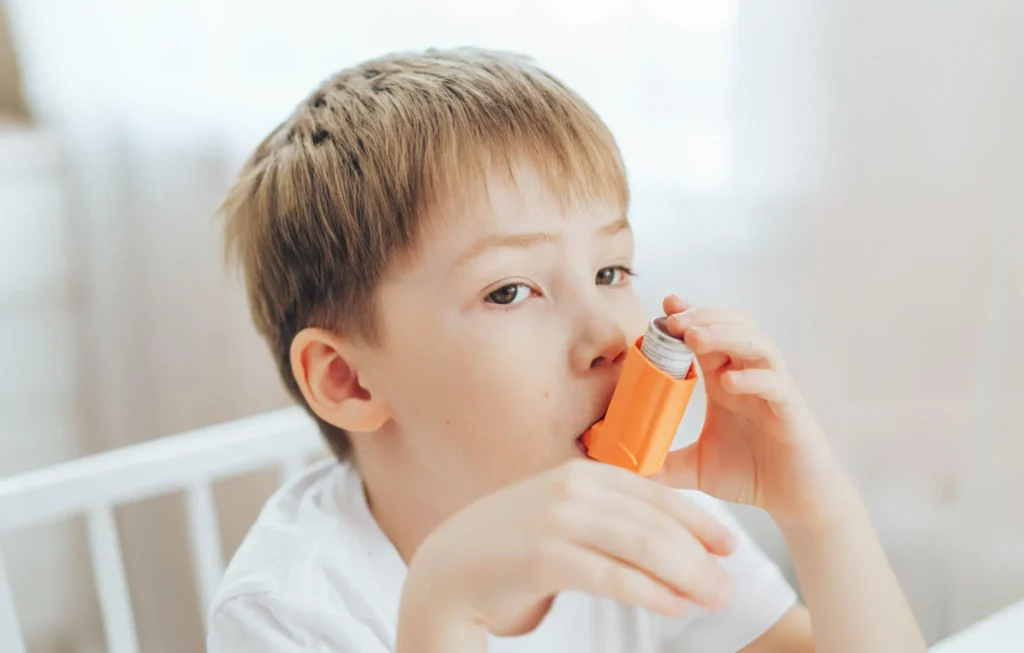
A persistent cough, night-time wheezing, or breathlessness during play can be worrying for any parent. Childhood asthma is one possible cause, but a recurring cough or wheeze can also have other explanations. Understanding the symptoms, common triggers, and when to seek a GP assessment can help you feel more confident managing your child’s health.
Key Takeaways
- Childhood asthma can cause a recurring cough, wheeze, chest tightness, and breathlessness.
- Colds, exercise, smoke, pollen, and dust mites are common triggers
- Not every cough or wheeze in a child is asthma
- An Asthma Action Plan helps parents, schools, and childcare providers respond safely.
- A GP can assess symptoms and guide treatment options suitable for your child.
- Call 000 for severe breathing difficulty.
If your child has a recurring cough, wheeze, or breathing symptoms, Huntlee Healthcare’s children’s health services can help assess what may be contributing and guide next steps.
What Is Childhood Asthma?
Asthma is a condition that affects the airways in the lungs. During a flare-up, the airways can become inflamed and narrow, making it harder to breathe. It is one of the most common long-term health conditions in Australian children.
Asthma affects children differently. Some have occasional mild symptoms, while others experience more frequent episodes. With the right assessment and management plan, many children with asthma can live an active and normal life.
What Are the Symptoms of Childhood Asthma?
Symptoms can vary between children and may not always be obvious. Common signs parents notice include:
- A recurring cough, especially at night or early morning
- Wheezing, which sounds like a high-pitched whistling when breathing out
- Shortness of breath or breathing that looks laboured
- Chest tightness
- Coughing or wheezing during or after exercise
- Symptoms that appear or worsen after a cold or viral infection
- Difficulty keeping up with physical activity or play
Some children cough without any wheeze. Others wheeze without a noticeable cough. Both patterns are worth discussing with a GP if they keep returning.
Is It Asthma or Just a Cough?
This is the question parents ask most often. The honest answer is that it can be difficult to tell without proper assessment.
Many young children wheeze when they have a cold or chest infection, and this does not always mean asthma. Healthdirect notes that viral infections are one of the most common triggers of wheeze in young children, and not all of these children will develop asthma.
What matters is whether symptoms keep returning, occur in multiple situations, or affect your child’s sleep, activity, or school attendance. A GP can review the full pattern and help determine whether further assessment is appropriate.
Common Asthma Triggers in Children
Knowing what triggers symptoms helps with day-to-day management. Common triggers include:
- Colds and respiratory infections, which are the most frequent triggers in young children
- Exercise, especially running, in cold or dry air
- Cigarette smoke or vaping exposure
- Pollen from grasses and trees
- Dust mites in bedding, soft toys, and carpets
- Pet hair and dander
- Cold air or changes in temperature
- Poor outdoor air quality
Where possible, reducing exposure to known triggers may help lower the chance of asthma symptoms returning.
How Childhood Asthma Is Diagnosed
There is no single test that confirms asthma in young children. A GP will usually assess:
- Symptom history, including when they occur and how often
- Family history of asthma, eczema, or hay fever
- Known triggers and patterns
- A physical examination, including listening to the chest
- Response to any treatment already tried
- Lung function testing in older children, where clinically suitable
A GP consultation at Huntlee Healthcare is a practical first step if you have concerns about recurring respiratory symptoms in your child.
Childhood Asthma Treatment Options
Treatment depends on the child’s age, symptom frequency, and clinical assessment. A GP will advise which options are appropriate.
Common treatment approaches may include:
- A reliever medicine, used when symptoms occur, to help open the airways quickly
- A preventer medicine, used regularly, to reduce airway inflammation where clinically appropriate
- A spacer device used with inhalers, which improves how the medicine reaches the lungs
- Correct inhaler technique, which helps the medicine reach the lungs more effectively.
- Identifying and reducing exposure to personal triggers
- Regular GP review to adjust the management plan as the child grows
Treatment is not the same for every child, and a GP will base recommendations on individual assessment.
Why an Asthma Action Plan Matters
An Asthma Action Plan is a written document that outlines your child’s daily asthma management and what to do if symptoms worsen. It is one of the most practical tools available for managing childhood asthma safely.
The National Asthma Council Australia recommends that children with asthma have a written action plan tailored to their symptoms.
A clear plan helps:
- Parents know which medicines to give and when
- Schools and childcare centres respond safely during an episode
- Everyone involved understands when to seek medical help
A GP can help review your child’s symptoms and discuss whether an Asthma Action Plan may be appropriate for your child’s situation.
When Should Your Child See a GP?
Most asthma symptoms can be managed with proper assessment and a clear plan. A routine GP appointment is worth booking if your child has:
- A recurring cough or wheeze that keeps coming back
- Night-time coughing that disturbs sleep
- Breathing symptoms during or after exercise
- Symptoms that appear consistently after colds or viral infections
- Frequent need for a reliever inhaler
- Asthma affecting sleep, school attendance, or physical activity
If your child has recurring breathing symptoms, a health assessment at Huntlee Healthcare can help review their overall respiratory health and guide appropriate management.
When to Seek Urgent Medical Help
Some symptoms need emergency care rather than a routine appointment.
Call 000 or go to the nearest emergency department immediately if your child:
- Is struggling to breathe or breathing looks very laboured
- Cannot speak in full sentences due to breathlessness
- Has lips, fingertips, or face turning blue or pale
- Seems very drowsy, confused, or unresponsive
- Is not improving despite following their prescribed asthma plan
Do not wait for a GP appointment in these situations. Severe asthma is a medical emergency.
Conclusion
Childhood asthma is common, and many children can stay active with an appropriate assessment, management plan, and regular review. Recurring cough, wheeze, or breathlessness in your child is worth discussing with a GP, especially if symptoms affect sleep, play, or schooling.
For families in Huntlee and nearby areas, contacting Huntlee Healthcare can help clarify your child’s symptoms and guide the next step in their asthma care.
FAQs
What are the first signs of asthma in children?
Common signs include recurring cough, wheezing, breathlessness, chest tightness, and symptoms that worsen at night, during exercise, or after colds.
Can a child have asthma without wheezing?
Yes, some children mainly have a recurring cough. A GP assessment can help check whether asthma or another cause may be involved.
What triggers asthma in children?
Common triggers include colds, exercise, smoke, pollen, dust mites, pets, cold air, and poor air quality.
When should I take my child to a GP for asthma symptoms?
Book a GP review if cough, wheeze, breathlessness, or night symptoms keep returning or affect sleep, school, or play.
Does my child need an Asthma Action Plan?
Children with asthma often benefit from a written plan explaining daily management and what to do if symptoms worsen.
Sources and further reading
Healthdirect Australia — Asthma in children
National Asthma Council Australia — Children’s asthma management
Better Health Channel — Asthma in children
Raising Children Network — Asthma